


How we work.
One shared Brain, a growing bench of virtual employees, guardrailed playbooks for guaranteed quality, multiple LLMs working in harmony, one universal console, and compute that lives wherever the work needs it. This is the operating model behind every division we run.
Real people build the knowledge that runs everything.
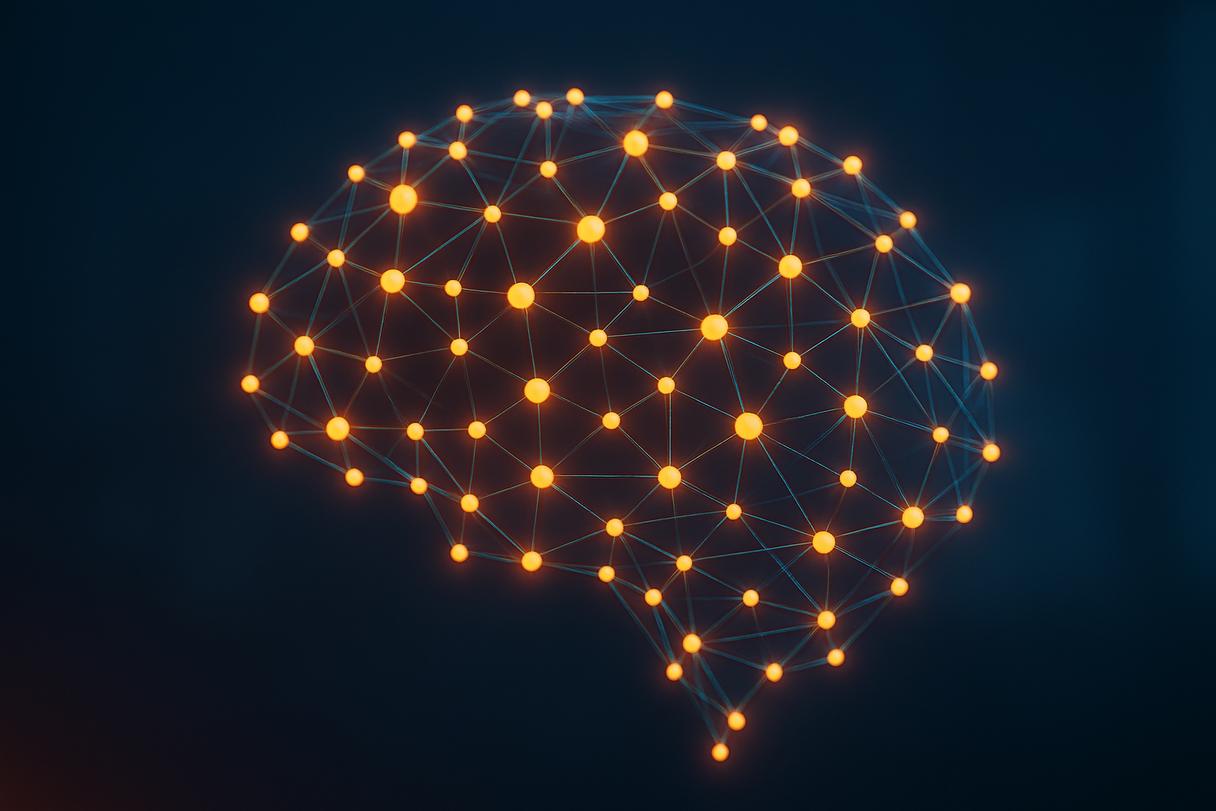
Every division starts with the Brain — our shared corporate knowledge layer. It's not generated in a vacuum: real people curate it. Decisions get written down, playbooks get authored and reviewed, customer history and code and process all get connected into one queryable context graph.
That's what makes the rest of the model possible. A virtual employee is only as good as the context it can reach — so we invest in the Brain first, before we scale anything else.

Virtual employees and virtual hands, matched to the task.
A virtual employee owns a role end to end — client success, content, engineering support. Virtual hands are narrower: a single capability (research, drafting, monitoring, first-pass QA) dispatched into any workflow that needs it. Together they amplify every person on the team instead of replacing them.
See what we do
Talk to a virtual employee like a colleague. A playbook keeps it honest.
There's no dashboard to configure and no prompt to engineer. You ask, hand off, correct — exactly like working with a person. Behind that conversation sits a playbook: a pre-trained, tested, guardrailed workflow that keeps the output consistent no matter who asked, what day it is, or which model answered.
Playbooks are what turn "an AI replied" into "the work was done right."
One request, one guaranteed-quality pipeline.
Every task — whatever the division, whoever asked — moves through the same operating pipeline. Nothing skips the guardrails.
Context loaded
Brain pulls relevant history
VE picks it up
Right virtual employee, right role
Playbook runs
Guardrailed, pre-trained steps
Model routed
Local or premium LLM, by need
QA check
Automated + human-in-the-loop
Delivered
Logged, costed, traceable
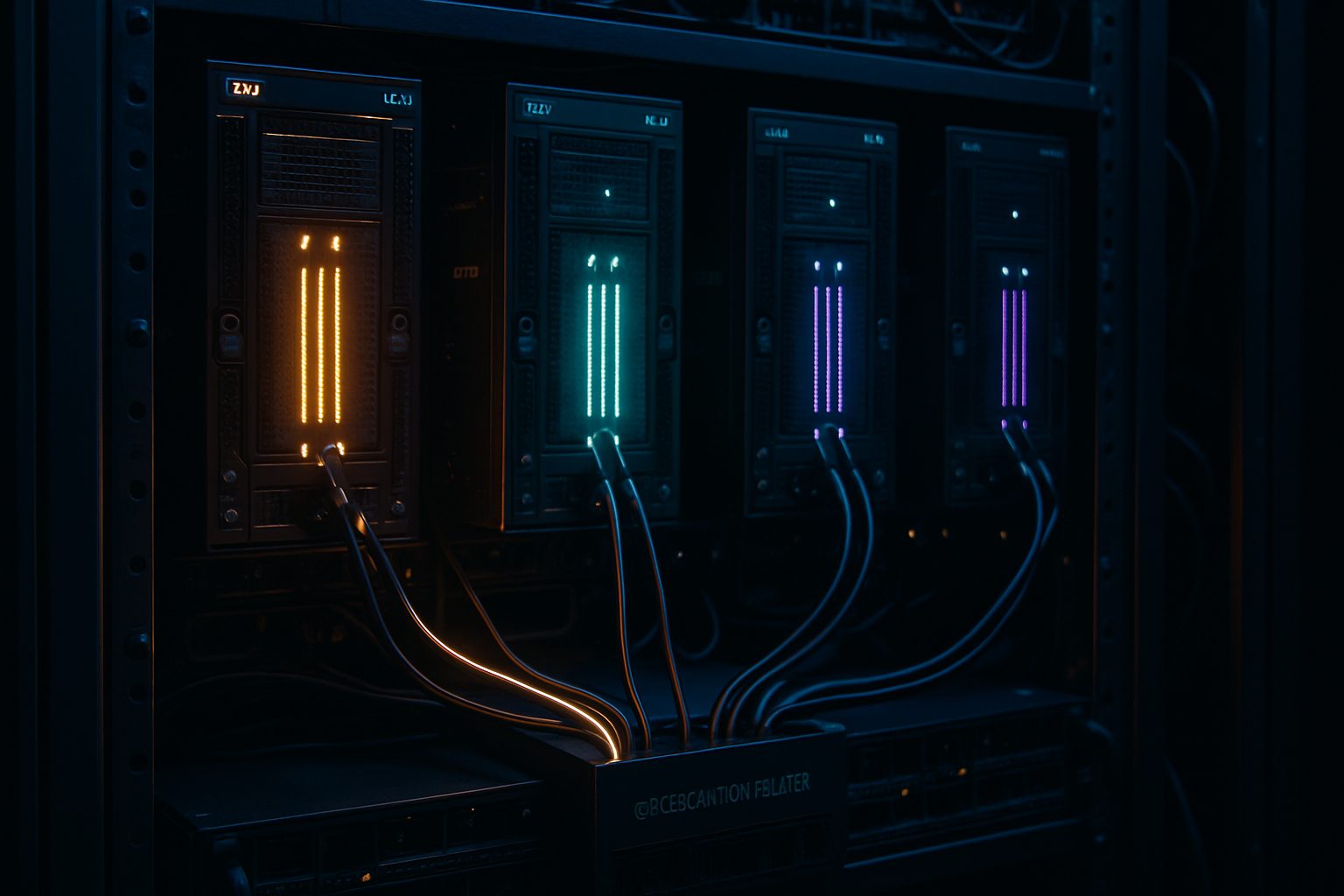
Local and premium models, working in harmony.
No single model runs everything. A router classifies each request and sends it to the model that fits — a fast local model for routine work, a premium model when reasoning gets hard — so quality never depends on which LLM happened to answer, and cost never spirals.

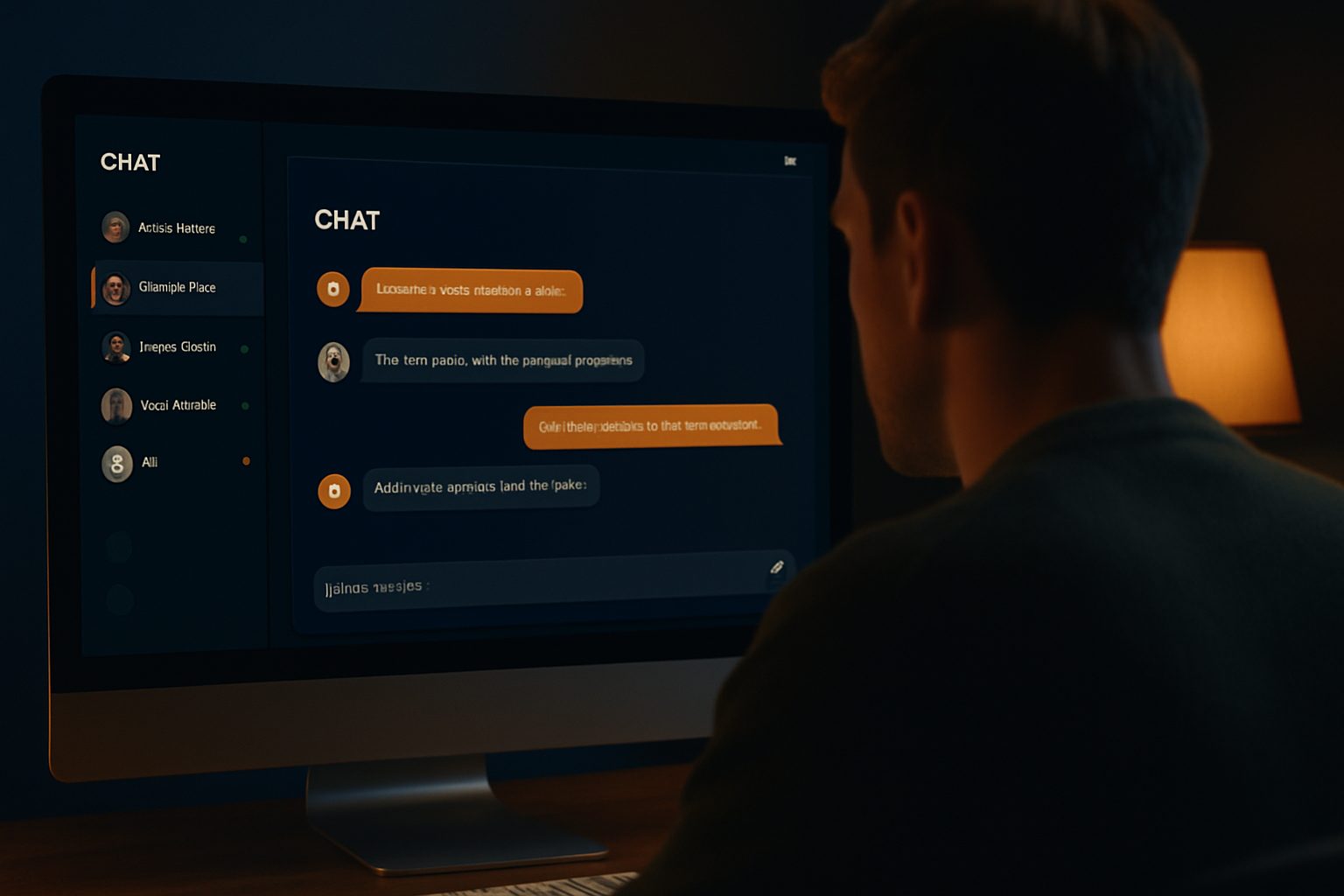
A single chat console runs the whole company.
Tasks, approvals, reports, hand-offs — one universal console ties every division together. Whether you're managing content, code, or customers, you talk to the same interface, and it routes you to the right virtual employee for the job.
- Cross-division visibility, one login
- Every conversation is provenance-tracked
- Works the same on desktop and mobile

Hundreds of nodes. The right node for the right task.
Sensitive workloads run on our own hardware; burst workloads spill to the cloud; light tasks run at the edge, close to the user. A task never cares which node answers it — only that the right one does, and that capacity scales up or down on demand.
About the operating model.
What is the Magora Brain?
The Brain is our shared corporate knowledge layer — decisions, playbooks, customer history, code, and process, all connected. Real people build and curate it; every virtual employee draws on it before doing any work.
How do playbooks guarantee quality?
A playbook is a pre-trained, guardrailed workflow. Instead of freeform prompting, a virtual employee runs a known-good sequence of steps with checks built in, so output stays consistent regardless of who asked or which model answered.
Why multiple LLMs instead of one?
A router classifies each request and sends it to the model that fits — a fast local model for routine work, a premium model when reasoning gets hard. This keeps cost down without capping quality.
Where does the compute run?
Wherever it makes sense — owned hardware, cloud, or edge, across hundreds of nodes. The Brain routes each task to the right node and scales up or down on demand.
See the model at work in our divisions.
Every daughter company we run — and every one we build with clients — runs on this exact operating model. Take a look, or talk to us about building your own.